Men’s Health
Men’s Health
Men are notorious for avoiding the doctor and ignoring unusual symptoms. This may help explain why women tend to live longer. Don’t let complacency take a toll on your health.
Schedule yearly checkups with your doctor or practice nurse and keep these appointments. Your GP’s surgery can help monitor your weight, blood pressure, and the level of cholesterol in your blood. Excess weight, high blood pressure, and high blood cholesterol are risk factors for cardiovascular disease. Your doctor can recommend lifestyle changes, medications, or other treatments to help get your weight, blood pressure, and blood cholesterol under control
Eat Natural Foods
Packaged and processed foods are often full of sugar, salt, unhealthy fats, artificial additives, and calories. Limit the fake stuff and eat a wide variety of:
- fresh fruits and vegetable
- whole-grain products, such as brown rice and whole-grain breads
- fiber-rich foods, such as beans and leafy greens
- lean cuts of meat and poultry, such as skinless chicken breast and lean ground beef
- fish, such as salmon
When buying groceries, remember to look for the freshest foods. Spend less time inside the aisles, where processed foods, sweets, biscuits, and cakes tend to be located.

Heart disease is the leading cause of death among American men. Regular exercise is one of the best ways to prevent heart disease and keep your ticker strong. It can also help you improve and maintain your overall physical and mental well health.
Try to get at least 150 minutes of moderate-intensity aerobic exercise, or 75 minutes of vigorous aerobic exercise, every week. For example, schedule five 30-minute long sessions of aerobic exercise in your weekly calendar. Aerobic exercise includes activities such as walking, jogging, swimming, basketball, tennis, and other sports.
It’s also important to make time for at least two sessions of muscle-strengthening activities per week. For example, weight lifting, rock climbing, and yoga can help you

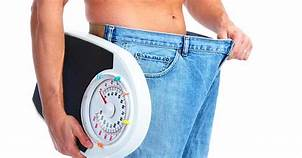
MAINTAIN A HEALTHY WAIST
If your waist measures more than 40 inches around, it could be cause for concern. it raises your risk of obesity-related diseases. For example, men with large waists are at higher risk of type 2 diabetes, heart disease, and stroke.
For most men, the best way to shed excess belly fat is to cut calories from your diet and exercise more. Ask your doctor to help you develop a weight-loss plan that’s safe and effective for you.
GET YOUR VITAMINS
Most people can get the vitamins and minerals needed for optimum health by eating a well-balanced diet. It’s important to eat a wide variety of vitamin- and mineral-rich foods, such as fresh fruits, veg, and whole grains. Many of those foods also provide heart-healthy fiber and natural antioxidant compounds that can help lower your risk of certain diseases.
Some people may also benefit from taking a daily multivitamin or other supplements. For example, your doctor may encourage you to supplement your diet with fish oil capsules containing omega-3 fatty acids and vitamin D3. Ask your doctor about the potential benefits and risks of adding a multivitamin or other supplements to your daily routine.

Break Unhealthy Habits
Smoking is one of the worst things you can do for your health. Secondhand smoke is also very dangerous. The BBC reports that 600,000 people worldwide die every year through secondhand smoke. Whilst here in the UK 77,800 die from a smoking related illness every year (NHS statistics). That amounts to 16% or all deaths per year!
Smoking and secondhand smoke exposure can also cause other health conditions, such as chronic obstructive pulmonary disease (COPD), emphysema, and heart disease. They also raise your risk of developing many types of cancer.

Other health-damaging behaviors include excessive alcohol consumption and recreational or habitual drug use.
Low Risk Drinking Guidelines
The Chief Medical Officers’ guideline for both men and women states that:
To keep health risks from alcohol to a low level it is safest not to drink more than 14 units a week on a regular basis
If you regularly drink as much as 14 units per week, it’s best to spread your drinking evenly over three or more days. If you have one or two heavy drinking episodes a week, you increase your risk of long-term illness and injury.The risk of developing a range of health problems (including cancers of the mouth, throat, and breast) increases the more you drink on a regular basis. If you wish to cut down the amount you drink, a good way to help achieve this is to have several drink-free days a week.

Recreational Drugs
If you use recreational drugs, it’s important to stop. They’re linked to many health conditions. For example, cocaine use can cause heart attacks and strokes. Injected drugs of all sorts can lead to serious infections and skin breakdown at the injection sites.
Some men also use anabolic steroids to increase muscle mass. This can lead to serious health consequences. Possible outcomes include sterility, heart disease, skin disease, and behavioral problems.

If you smoke, drink too much, or use illicit drugs, your GP Practice can help you develop a plan to quit. They may recommend medication, therapy, or other treatments or strategies.
Protect your skin
There are around 2,300 melanoma skin cancer deaths in the UK every year, that’s more than 6 every day (2015-2017).
Melanoma skin cancer is the 20th most common cause of cancer death in the UK, accounting for 1% of all cancer deaths..In males in the UK, melanoma skin cancer is the 17th most common cause of cancer death, with around 1,300 deaths yearly.
Mortality rates for melanoma skin cancer in the UK are highest in people aged 90+ To lower your risk of developing melanoma, take steps to protect yourself from harmful ultraviolet (UV) radiation from the sun.
- When you’re outside: spend time in the shade
- cover your body with protective clothing
- cover exposed skin in sunscreen with a sun protection factor (SPF) of 30 or higher reapply sunscreen every two hours or more frequently if you’re sweating or swimming
It’s also important to avoid tanning beds, which are harmful sources of UV radiation.
Conduct a monthly skin check to look for new or unusual moles, changes to existing moles, or other changes to the color or texture of your skin. Use a mirror to help check places you can’t usually see. If you notice any changes or are concerned in any way visit your GP to get checked out.

Get your prostate checked
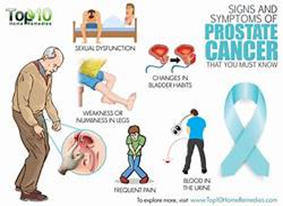
After skin cancer, prostate cancer is the most common cancer diagnosis in men, According to Cancer Research statistics over 48,000 men are diagnosed with prostate cancer every year. That is 13% of all cancer cases diagnosed.
If you have trouble urinating, develop pain when you urinate, or notice blood in your urine, it may be a sign of prostate problems. Make an appointment with your doctor.
They may encourage you to get blood tests or undergo a prostate exam to check for prostate cancer or other conditions.
Bowel Cancer
In the UK over 16,000 people die every year from this type of cancer but statistics show that 54% of all Colon cancer cases are avoidable ( Cancer Research UK) Screening is the route in detecting the highest proportion of cases diagnosed at an early stage, for bowel cancer. Bowel cancer is a common type of cancer in both men and women. About 1 in 20 people will get it during their lifetime.
Screening can help detect bowel cancer at an early stage making it easier to treat. This can also be used to help check for and remove small growths in the bowel called polyps which can turn into cancer over time. f you’re 55, you’ll automatically be invited for a one-off bowel scope screening test if it’s available in your area. If you are aged 60 to 74 you will automatically be invited to do a home testing kit every 2 years. Over 75’s can still ask for a kit by calling the free bowel cancer screening helpline on 0800 707 60 60.
If you are too young for screening or are worried about symptoms – DO speak to a GP for advice. DO NOT wait for a screening test!
On a positive note. Bowel cancer survival is improving and has more than doubled in the last 40 years in the UK.

Sleep
It is important to get enough sleep and recommended that adult males get a good 7 – 9 hours a night. If your sleep is frequently interrupted, you’re not getting quality sleep. The quality of your sleep is just as important as the quantity!

Mental Health
Men’s mental health: a silent crisis Mental health problems can affect anyone but discrimination and stigma can make people apprehensive about opening up about their experiences and seek help. Mental health in men continues to be a taboo subject, with many men suffering in silence when they experience feelings of sadness, loneliness, or anxiety.
The societal gender norms that men should be “tough” and “fearless” further complicates this issue as many men feel they are not a “man” if they show any sign of weakness. Men may fail to recognise or act on warning signs and may be unwilling or unable to seek help.
It’s important to recognise the signs and encourage each other to speak about how we are feeling – there’s no shame in feeling vulnerable, lost or sad; everyone experiences these emotions.
It’s important to recognise and pay attention to various warning signs such as increased risk-taking behaviour, addiction, loss of enthusiasm, and changes in diet or routine, remember warning signs can be multiple or singular. Many men feel that admitting to having a mental health problem means they are weak. However, there’s a difference between acting tough and being strong. It’s easy to act tough by pretending your problems don’t exist. but addressing those issues takes strength. It might help to make a mental list of men who’ve spoken publicly about their mental health difficulties, starting with The Rock, boxers such as Tyson Fury and Frank Bruno, and more than one of the hosts of SAS: Who Dares Wins. Weak men, right?
If you feel you are struggling or your mood is constantly low, go and have a word with your GP or ring one of the many helplines available such as
- CALM
- Samaritans
- Men’s Health Forum
- MIND